What's the Best
Weekly Plan for
Maximum Recovery?
A comprehensive guide to balancing training stress with strategic rest across passive recovery, active recovery, and long-term periodization.

Introduction: Why Recovery Is the Missing Piece
The Recovery-Performance Connection
The fundamental paradox of fitness improvement is that muscles do not grow stronger during workouts—they grow stronger during recovery. This counterintuitive reality forms the cornerstone of effective training program design, yet it remains one of the most misunderstood aspects of physical conditioning.
"Even a single night of sleep deprivation significantly impairs recovery outcomes, with participants showing reduced heart rate variability, slower clearance of inflammatory markers, and diminished performance in subsequent training sessions."— Research on HIIT recovery
Research consistently demonstrates that inadequate recovery undermines virtually every training goal. The hidden costs of under-recovery extend far beyond temporary performance decrements. Chronic under-recovery creates a cascade of negative adaptations: elevated cortisol levels promote muscle protein breakdown and fat storage, impaired glycogen resynthesis reduces energy availability, and accumulated fatigue alters movement patterns in ways that increase injury risk.
Who This Guide Is For
General Fitness Enthusiasts
Training 3-5 hours weekly across multiple modalities, seeking sustainable health improvements while balancing professional and family schedules.
Athletes & Bodybuilders
Performance-focused individuals pushing training volumes and intensities that create substantial recovery demands, often requiring 8-15+ hours weekly.
Seniors (65+ Years)
Age-related changes in hormone production, tissue repair capacity, and sleep architecture necessitate modified approaches for maintaining functional independence.
The Science of Recovery: What Happens When You Rest
The Three Pillars of Recovery
| Recovery Pillar | Definition | Primary Mechanisms | Optimal Application |
|---|---|---|---|
| Passive recovery | Complete rest and sleep | Hormonal restoration, tissue repair, metabolic waste clearance | Overnight sleep, complete rest days, deload weeks |
| Active recovery | Low-intensity movement (30-60% max heart rate) | Enhanced circulation without muscle damage, nervous system regulation | Between training sessions, post-competition, daily movement |
| Long-term recovery | Periodization and strategic deloading | Systemic fatigue dissipation, adaptation consolidation, injury prevention | Every 3-6 weeks, post-season, after competition cycles |
Sleep as the Ultimate Recovery Tool
Research consensus is unequivocal: sleep is the single most powerful recovery tool available, influencing virtually every physiological system relevant to training adaptation. Growth hormone release occurs predominantly during deep sleep, with the largest pulses occurring in the first half of the night.
Sleep Duration Impact on Recovery
<6 hours
Severely impaired muscle protein synthesis, elevated cortisol
6-7 hours
Suboptimal growth hormone release, partial glymphatic clearance
7-9 hours
Optimal hormonal environment, complete glymphatic function
Recovery Methods and Tools: Your Complete Toolkit
Manual Therapy
- • Foam rolling (30-60s pre-workout, 60-120s post-workout)
- • Professional massage therapy (40-60 minutes bi-weekly)
- • Self-massage tools for daily maintenance
- • 9 senior-specific benefits
Movement-Based Recovery
- • Low-intensity steady-state cardio (15-45 minutes)
- • Mobility and flexibility work (dynamic and static)
- • Yoga and Pilates (breath-focused practices)
- • Aquatic therapy for reduced joint loading
Thermal & Compression
- • Contrast water therapy (3:1 hot:cold ratio)
- • Cold plunge therapy (10-15°C for 10-15 minutes)
- • Infrared sauna (50-60°C for relaxation)
- • Pneumatic compression devices (Normatec, RecoveryPump)
Technology-Assisted
- • Percussion massage guns (15-60s per area)
- • HRV monitoring for recovery readiness
- • Sleep tracking and optimization tools
- • Electrical muscle stimulation (EMS/TENS)
Recovery by Workout Type: Tailored Strategies
Strength Training Recovery
Research indicates that 48-72 hours are required for complete recovery from demanding resistance training, though this varies with training status and exercise intensity.
Key Recovery Focus Areas:
- • Muscle group rotation and recovery windows
- • Eccentric-induced muscle damage management
- • Central nervous system fatigue recognition
- • Protein timing and leucine threshold
Optimal Recovery Timeline:
- • Immediately: Post-workout nutrition (20-40g protein)
- • 24 hours: Active recovery, light movement
- • 48 hours: DOMS peak, continued active recovery
- • 72 hours: Ready for next high-intensity session
HIIT and High-Intensity Cardio Recovery
HIIT produces greater inflammatory responses and slower heart rate variability recovery compared to moderate continuous exercise.
Critical Finding: A single night of sleep deprivation significantly impairs multiple recovery markers after HIIT sessions.
Building Your Best Weekly Plan for Maximum Recovery
The Universal Weekly Recovery Framework
| Day | Primary Focus | Training | Recovery Emphasis |
|---|---|---|---|
| Monday | Week initiation | Moderate training (strength or cardio) | Movement preparation focus; establish sleep schedule |
| Tuesday | Training day | Higher intensity session | Post-training nutrition priority; evening mobility |
| Wednesday | Mid-week recovery | Active recovery: 30-45 min low-intensity movement | Extended foam rolling or self-massage; early bedtime |
| Thursday | Training day | Moderate to high intensity | Pre-training activation; post-training cool-down |
| Friday | Pre-weekend preparation | Moderate training or skill work | Nervous system downregulation; social connection |
| Saturday | Primary training or recreation | Longer session or competition | Complete recovery protocol: nutrition, hydration, sleep |
| Sunday | Restoration | Complete rest or gentle active recovery | Extended sleep opportunity; weekly preparation |
Adaptations by Fitness Level
Beginner
3-4 hours weekly training
- • 2-3 strength training sessions
- • 4-5 recovery-focused days
- • Basic foam rolling and nutrition
- • Sleep schedule establishment
Intermediate
5-7 hours weekly training
- • Structured active recovery
- • HRV monitoring implementation
- • Contrast therapy and compression
- • Strategic massage scheduling
Advanced
8-12+ hours weekly training
- • Periodized deloads every 4-6 weeks
- • Professional bodywork integration
- • Daily HRV-guided autoregulation
- • Comprehensive recovery metrics
Sample Weekly Recovery Plans in Detail
The Desk Worker Fitness Enthusiast
Training Focus:
- • 3 strength sessions addressing postural issues
- • 1 HIIT session for time efficiency
- • 1 longer steady-state cardio session
Recovery Priorities:
- • Posture correction and hip mobility
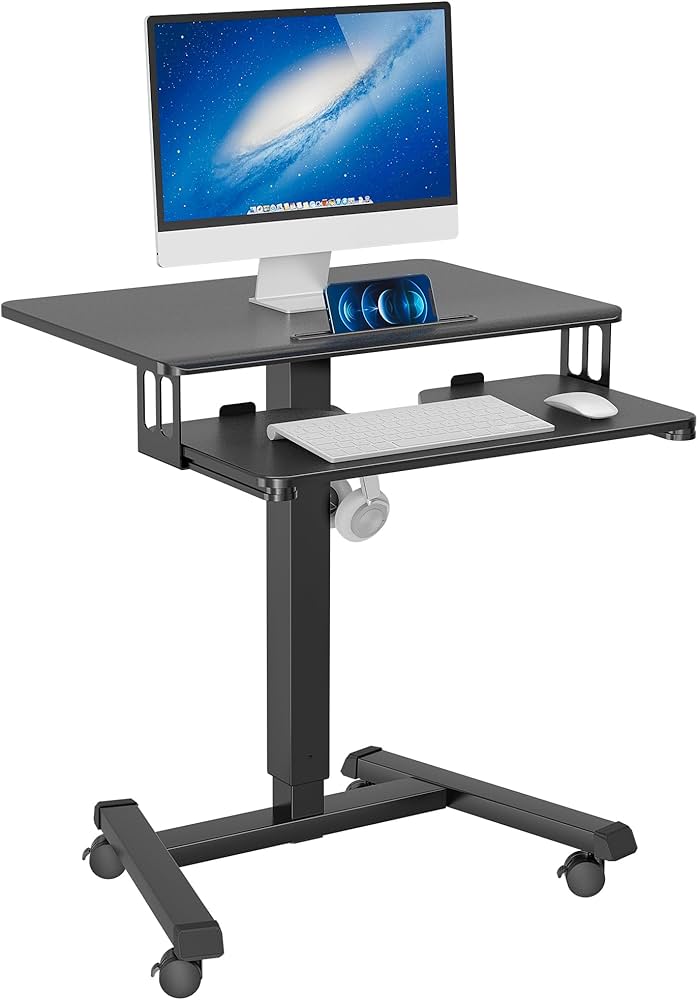
- • Daily movement breaks from desk work
- • Stress management practices
Daily Recovery Rituals:
| Time | Activity | Purpose |
|---|---|---|
| Morning | Hydration, 5-min mobility flow | Rehydration, joint lubrication |
| Mid-morning | Standing/walking break (5 min) | Postural stress interruption |
| Lunch | 15-minute walk away from desk | Active recovery, mental restoration |
| Evening | Foam rolling, reading, early bedtime | Tissue recovery, sleep preparation |
The Competitive Athlete
Training Focus:
- • Sport-specific skill work
- • Strength training periodization
- • Competition preparation
- • Multiple daily sessions
Recovery Priorities:
- • Nervous system fatigue management
- • Travel recovery protocols
- • Competition taper optimization
- • Professional recovery support
The Active Senior
Training Focus:
- • Functional strength (sit-to-stand, carrying)
- • Balance and coordination training
- • Cardiovascular health maintenance
- • 150 minutes moderate activity weekly

Key Recovery Considerations:
- • Joint-friendly active recovery options (water exercise, tai chi)
- • Massage therapy benefits for circulation and mobility
- • Age-appropriate sleep optimization strategies
- • Social connection integrated with physical activity
Daily Recovery Rituals: Micro-Habits That Compound
Morning Recovery Practices
-
1
Hydration and light movement upon waking
300-500ml water to address overnight fluid losses, gentle stretching for circulation
-
2
Sunlight exposure for circadian entrainment
Natural light within first hour to suppress melatonin and improve sleep quality
-
3
Brief mobility flow for joint lubrication
5-10 minutes targeting thoracic spine, hips, ankles, and shoulders
Evening Wind-Down Routine
-
1
Screen limitation and blue light reduction
Begin 1-2 hours before target sleep time to prevent melatonin suppression
-
2
Parasympathetic activation practices
Diaphragmatic breathing (4-7-8 pattern), gentle yoga, or reading physical books
-
3
Sleep environment optimization
Cool temperatures (18-20°C), complete darkness, quiet or consistent background sound
The Compound Effect of Consistency
The most successful long-term fitness enthusiasts treat recovery appointments—sleep timing, massage sessions, active recovery activities—with the same commitment as training sessions. The compound interest of small, consistent investments in recovery produces sustainable progress over years and decades.
Key Insight: Consistency in recovery habits beats sporadic intensive interventions. Daily practices accumulate to far greater effect than occasional recovery "binges."
Troubleshooting Recovery: When Progress Stalls
Signs of Under-Recovery
| Domain | Early Signs | Advanced Signs | Action Required |
|---|---|---|---|
| Performance | Slight performance decrement, reduced training quality | Persistent decline, inability to complete sessions | Immediate deload, increase recovery emphasis |
| Physiological | Elevated morning heart rate, persistent soreness | Illness frequency increase, slow injury healing | Medical evaluation, complete rest |
| Psychological | Reduced motivation, irritability | Loss of enjoyment, depression symptoms | Stress management, professional support |
| Sleep | Difficulty falling asleep, early waking | Sleep maintenance insomnia, nightmares | Sleep hygiene intensification, sleep study |
Adjusting Your Weekly Plan
When to Add Recovery
- • HRV drop >10% from baseline
- • Performance decline in 2+ consecutive sessions
- • Persistent morning soreness
- • Increased illness frequency
- • Sleep disturbances
Action: Reduce volume 20-40%, add active recovery day, prioritize sleep
When to Reduce Recovery
- • Fitness plateau for 4+ weeks
- • Excess energy and motivation
- • Consistent performance improvements
- • Excellent recovery metrics
- • No signs of accumulated fatigue
Action: Add training day or increase volume gradually over 1-2 weeks
Recovery as a Lifestyle, Not an Afterthought
Key Takeaways for Sustainable Fitness
Schedule Recovery Equally
Treat recovery appointments with the same commitment as training sessions—schedule it with equal importance.
Individualize Everything
Generic protocols don't work. Your optimal recovery requires systematic self-experimentation guided by evidence-based principles.
Consistency Compounds
Small, daily recovery practices accumulate to far greater effect than sporadic intensive interventions.
Your Next Steps
Assess Your Current Recovery
Track your recovery practices for one week. Identify your highest-impact gap: most commonly sleep quantity/quality, nutrition timing, or structured active recovery.
Implement One New Habit
Select one practice—earlier bedtime, post-workout protein, morning mobility, or Wednesday active recovery—and establish it as automatic before adding others.
Track and Adjust
Use simple metrics—morning energy, training performance, subjective soreness, sleep quality—to guide adjustments. The goal is sustainable, lifelong fitness that enhances overall wellbeing.
This article was last updated on February 18, 2026. For personalized recovery guidance, consult with a qualified fitness professional or sports medicine practitioner.
If you’re committed to better recovery, start with better sleep.
The right support makes consistency easier.
Want the Full Breakdown?
Discover the science-backed strategy behind better sleep and faster muscle recovery on the Fitsola blog.
👉 Read the Full Article on Fitsola