
You’ve been eating well. You’ve been moving more. Yet the scale barely budges, and your energy crashes by 3 PM. If you’ve ever whispered, “I think my metabolism is broken,” you’re not alone, and you’re not imagining things. The truth is, millions of people are actively searching for ways to speed up metabolism naturally after hitting frustrating plateaus or noticing age-related changes that seem to appear overnight.

The good news? Your metabolism isn’t a fixed destiny written in your DNA. It’s more like a dimmer switch than an on/off button, and you have far more control than you’ve been led to believe.
In this guide, we’ll cut through the noise of metabolism-boosting myths and focus on what actually moves the needle. No magic pills. No “eat this one weird food” promises. Just practical, sustainable strategies grounded in physiology and behavioral science.
What Is Metabolism, Really?
Before we talk about how to increase metabolism naturally, let’s clarify what we’re actually discussing.
Metabolism refers to every chemical process your body uses to convert food into energy. It’s not just about burning calories during exercise, it’s the 24/7 work of keeping you alive. Your heart beating, your lungs breathing, your cells repairing. All of it requires energy.
Your total daily energy expenditure (TDEE) breaks down into three main components:
- Resting Metabolic Rate (RMR): The calories you burn at complete rest, just to maintain basic functions. This accounts for roughly 60-75% of your daily burn.
- Thermic Effect of Food (TEF): The energy required to digest, absorb, and process nutrients. About 10% of your daily expenditure.
- Physical Activity: Both structured exercise and non-exercise movement (walking, fidgeting, standing). This varies most between individuals.
When people say they want to “boost metabolism,” they usually mean increasing their RMR or improving how efficiently their body uses energy. The strategies we’ll cover address both.
Support Your Metabolism at the Cellular Level
Understanding metabolism is the first step. Supporting it is the next.
If your energy feels low, your recovery is slow, or fat loss has stalled, targeted metabolic support can help your body work more efficiently — not harder. Look for clinically studied ingredients that support mitochondrial function, blood sugar balance, and natural thermogenesis.
👉 Explore Trusted Metabolism Support Options
Why Metabolism Slows Down (And Why It Matters)
Understanding why metabolism changes helps you target the right interventions.
Age-Related Decline
After age 30, most people lose 3-8% of their muscle mass per decade—a process called sarcopenia. Since muscle is metabolically active tissue, this loss directly reduces your resting metabolic rate. By age 60, your metabolism may run 15-20% slower than in your twenties, even if your weight stayed the same.
Internal link suggestion: Link to article about “Strength Training After 40”
Hormonal Shifts
Thyroid function, cortisol patterns, insulin sensitivity, and sex hormones all influence metabolic speed. Perimenopause and menopause often bring noticeable metabolic changes for women. Men experience gradual testosterone decline that affects muscle maintenance and fat distribution.
Lifestyle Factors
Chronic sleep deprivation, prolonged sitting, yo-yo dieting, and high stress don’t just make you feel bad—they create physiological conditions that prioritize fat storage over fat burning. Your body isn’t being stubborn; it’s adapting to signals you’re sending it.
Don’t Let a Slower Metabolism Control Your Results
Age, stress, poor sleep, and muscle loss all play a role in metabolic slowdown. But you’re not powerless. The right combination of strength training, protein intake, and evidence-based supplements can help counteract the decline and restore metabolic efficiency.
⚡ Support a Stronger, Faster Metabolism
The Real Benefits of a Faster Metabolism
When you successfully improve metabolism, the benefits extend far beyond weight loss.
Sustainable Weight Management
A higher metabolic rate creates a larger “calorie budget” without requiring extreme restriction. This makes maintaining weight loss realistic rather than a constant battle against hunger.
Better Energy Throughout the Day
Efficient energy production means fewer afternoon crashes and more consistent mental clarity. You’ll notice this before you see changes on the scale.
Improved Body Composition
Natural metabolism boosters that preserve or build muscle help you look toned rather than just “thin.” This matters for metabolic health long-term.
Enhanced Recovery and Sleep Quality
Better metabolic function supports hormone regulation, including melatonin and growth hormone, leading to deeper sleep and faster exercise recovery.
Reduced Risk of Metabolic Disease
Healthy metabolism correlates with better insulin sensitivity, lower inflammation, and reduced risk of type 2 diabetes and cardiovascular disease.
Turn Your Body Into a More Efficient Fat-Burning Machine
A healthy metabolism doesn’t just help with weight — it improves energy, hormonal balance, and long-term health. If you’re already training and eating well, adding the right metabolic support can amplify your results safely and naturally.
🔥 Boost Energy & Fat-Burning Potential
Common Mistakes That Slow Metabolism (And How to Avoid Them)
Before diving into solutions, let’s address what not to do. These mistakes are so common they’ve become normalized, yet they actively work against your goals.
Severe Calorie Restriction
Crash diets trigger adaptive thermogenesis, your body literally slows down to conserve energy. Studies show that extreme dieting can reduce metabolic rate by 15-30% and that this suppression can persist for years.
Want to Know “Why Diets Fail and What Works Instead”? Read This
Excessive Cardio Without Strength Training
Hours on the treadmill without resistance work can lead to muscle loss alongside fat loss, further depressing metabolism. Cardio has benefits, but it shouldn’t be your only strategy.
Ignoring Sleep
Sleeping less than 7 hours per night disrupts ghrelin and leptin (hunger hormones), increases cortisol, and reduces insulin sensitivity. One week of poor sleep can drop your metabolic rate measurably.
Skipping Protein
Low protein intake accelerates muscle loss, especially during weight loss. It also reduces the thermic effect of food, since protein requires more energy to digest than carbs or fats.
Chronic Stress Without Management
Persistent high cortisol promotes abdominal fat storage and interferes with thyroid function. Stress management isn’t optional for metabolic health, it’s foundational.
Avoid the Hidden Metabolism Killers
Undereating, skipping protein, poor sleep, and chronic stress quietly sabotage progress. Correct the basics first. Then, consider adding metabolism-supporting nutrients that help maintain muscle, stabilize blood sugar, and reduce inflammation.
✔ Fix the Gaps Slowing Your Progress
What Science Says About Natural Metabolism Boosters
Let’s examine the evidence behind popular claims, separating what works from what’s hype.
Muscle Mass Is Your Metabolic Engine
Research consistently shows that resistance training increases resting metabolic rate by building and preserving lean tissue. One pound of muscle burns approximately 6-7 calories per day at rest, compared to 2-3 calories for fat. The difference isn’t dramatic per pound, but across your entire body composition, it matters significantly.
More importantly, muscle improves insulin sensitivity and creates metabolic reserve that protects against age-related decline.
Protein Has the Highest Thermic Effect

Protein digestion requires 20-30% of its calories, compared to 5-10% for carbs and 0-3% for fats. This means eating 100 calories of protein effectively yields only 70-80 usable calories. Higher protein intake also preserves muscle during weight loss and increases satiety.
NEAT Matters More Than You Think
Non-exercise activity thermogenesis—fidgeting, standing, walking, household tasks—can vary by 2,000 calories per day between individuals. Your deliberate workout matters less than your all-day movement patterns.
Cold Exposure Has Modest Effects
While cold showers and ice baths do activate brown adipose tissue (BAT), the calorie burn is modest—perhaps 100-300 extra calories per day with regular practice. Worth including, but not a standalone solution.
Hydration Supports Efficiency
Even mild dehydration (1-2% of body weight) reduces physical performance and may slightly lower metabolic rate. Drinking water temporarily increases metabolism by 10-30% for about an hour, partly due to thermogenesis heating the water to body temperature.
Your Step-by-Step Guide to Speed Up Metabolism Naturally
Here’s your practical roadmap. Implement these strategies progressively rather than attempting everything at once.
Step 1: Prioritize Strength Training (3-4x Weekly)
This is non-negotiable for anyone over 30. Focus on compound movements—squats, deadlifts, presses, rows, lunges—that recruit multiple muscle groups. Progressive overload (gradually increasing weight or reps) ensures continued adaptation.
Action item: If you’re new to weights, start with two full-body sessions weekly. If experienced, consider upper/lower splits four times per week.
Internal link suggestion: Link to “Beginner’s Guide to Strength Training”
Step 2: Optimize Protein Intake
Aim for 0.7-1 gram per pound of goal body weight daily, distributed across meals. This maximizes muscle protein synthesis and the thermic effect of food.
Practical examples:
- Breakfast: Greek yogurt with nuts (25-30g protein)
- Lunch: Chicken or tofu salad (30-40g protein)
- Dinner: Fish, legumes, or lean meat with vegetables (30-40g protein)
- Snacks: Hard-boiled eggs, cottage cheese, or protein smoothie (15-20g protein)
Step 3: Move More Throughout the Day

Set hourly movement reminders. Aim for 7,000-10,000 steps daily. Take walking meetings. Stand while on phone calls. These micro-movements compound significantly.
Try this: Every hour, do 20 squats or walk for two minutes. It sounds minimal, but over 16 waking hours, that’s substantial extra activity.
Step 4: Fix Your Sleep Hygiene
Target 7-9 hours of quality sleep. Create a consistent bedtime, cool your bedroom to 65-68°F, eliminate screens 60 minutes before bed, and manage caffeine cutoff (no later than 2 PM for most people).
Metabolic connection: One study found that sleep restriction to 5 hours per night reduced fat loss by 55% compared to 8.5 hours, even when calories were identical.
Step 5: Manage Stress Proactively
Chronic stress isn’t just mental—it creates physiological resistance to weight loss. Incorporate daily stress-reduction practices:
- Morning sunlight exposure (10-15 minutes) to anchor circadian rhythm
- Brief meditation or breathing exercises (even 5 minutes helps)
- Regular nature exposure
- Social connection and laughter
Step 6: Stay Hydrated Strategically
Drink water before meals (may reduce calorie intake slightly). Keep water visible at your workspace. Flavor with lemon or cucumber if plain water bores you.
Note: Coffee and tea count toward hydration and offer mild metabolic benefits through caffeine, though tolerance varies.
Step 7: Consider Strategic Food Choices
While no food magically melts fat, certain choices support metabolic function:
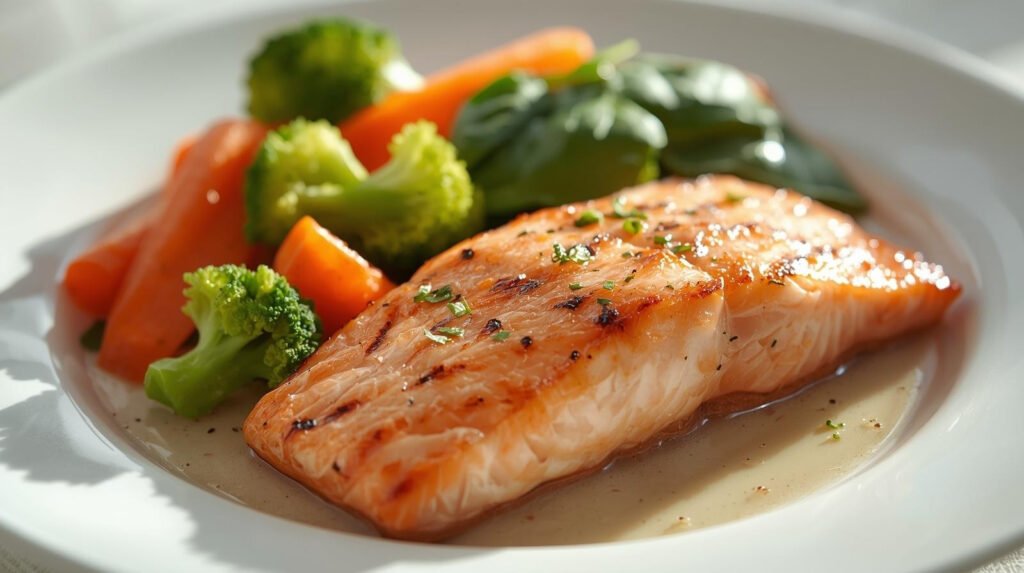
Foods that boost metabolism through various mechanisms:
- Lean proteins: Chicken, turkey, fish, eggs, Greek yogurt, tofu
- Fiber-rich foods: Vegetables, legumes, whole grains (support gut health and satiety)
- Iron and zinc sources: Red meat, shellfish, pumpkin seeds (support thyroid function)
- Omega-3 fatty acids: Fatty fish, walnuts, flaxseeds (reduce inflammation)
- Green tea: Contains catechins that may modestly increase fat oxidation
- Spicy foods: Capsaicin temporarily increases calorie burn, though effect is small
Step 8: Avoid Extended Sitting
If you work at a desk, alternate between sitting and standing. Consider a walking pad for light movement during calls. Set a timer to stand and stretch every 30 minutes.
Research insight: Breaking up sedentary time every 30 minutes with 2-3 minutes of activity improves glucose metabolism and insulin sensitivity.
Who Benefits Most From These Strategies?
These approaches work broadly, but certain groups see particularly significant results:
People Over 40: The strategies directly counteract age-related muscle loss and hormonal shifts. Internal link suggestion: Link to “Metabolism After 40: What Changes and What to Do”
Yo-Yo Dieters: Rebuilding metabolic capacity after repeated restriction requires patience and resistance training focus.
Perimenopausal and Menopausal Women: The combination of strength training, protein emphasis, and stress management addresses the specific metabolic challenges of this transition.
Desk Workers: Those with sedentary jobs benefit enormously from NEAT optimization and breaking up sitting time.
Anyone Plateaued in Weight Loss: If calorie counting stopped working, metabolic adaptation may be the culprit. These strategies address the underlying physiology.
Frequently Asked Questions
Can you actually speed up your metabolism, or is it genetically fixed?
Your metabolic rate has a genetic component, but it’s not destiny. While you can’t change your height or basic organ function, you can significantly influence muscle mass, activity levels, sleep quality, and hormonal health—all major metabolic determinants. Studies of twins show that lifestyle factors often override genetic predispositions for metabolic rate.
How do I know if I have a slow metabolism?
Slow metabolism symptoms include: persistent fatigue despite adequate sleep, feeling cold often, dry skin and hair, unexplained weight gain or inability to lose weight despite consistent efforts, brain fog, and digestive issues. However, these can also indicate thyroid dysfunction, so consult a healthcare provider for proper testing rather than self-diagnosing.
Will eating small, frequent meals boost my metabolism?
The “stoking the metabolic fire” myth has been debunked. Meal frequency has minimal impact on total daily burn. What matters more is total protein intake, food quality, and consistency that fits your lifestyle. Some people prefer three larger meals; others do better with snacks. Choose the pattern that helps you maintain healthy habits sustainably.
Do metabolism-boosting supplements work?
Most supplements marketed for metabolism (green tea extract, caffeine pills, capsaicin, etc.) have modest, temporary effects at best. Some carry risks—ephedra and similar stimulants can affect heart health. The strategies in this guide outperform any supplement. If considering supplements, discuss with your healthcare provider, especially if you have existing health conditions.
How long does it take to see results from natural metabolism boosters?
You’ll notice energy improvements within 1-2 weeks of better sleep and regular movement. Body composition changes typically appear after 4-8 weeks of consistent strength training and protein optimization. Metabolic rate adaptations (measurable changes in resting metabolic rate) may take 3-6 months of sustained effort. Patience and consistency matter more than intensity.
Conclusion: Your Metabolism Is a Reflection of Your Habits
The desire to speed up metabolism naturally often stems from frustration—feeling like your body is working against you. But here’s the reframe: your metabolism isn’t broken; it’s responding exactly to the inputs you’ve provided. Change the inputs, and you change the output.
You don’t need extreme measures. You need consistent, intelligent habits: lifting weights to build metabolic machinery, eating enough protein to support that machinery, moving regularly throughout your day, sleeping deeply to recover and regulate hormones, and managing stress so your body feels safe enough to burn rather than store.
These aren’t quick fixes. They’re lifelong practices that happen to produce visible results along the way.
Start with one or two strategies from this guide. Master them. Add others as they become automatic. Your metabolism will respond—not overnight, but definitely, sustainably, and in ways that support not just how you look, but how you feel and function.
Your health improves when your habits improve.
Small Daily Habits. Powerful Long-Term Results.
Your metabolism responds to consistency. Strength training. Smart nutrition. Quality sleep. Stress control.
When you combine strong habits with intelligent supplementation, you create an environment where fat loss, energy, and longevity become sustainable.
Your future body is built by today’s decisions.



[…] 👉 Understanding Metabolic Adaptation and Weight Loss Plateaus […]