Meta Description: Discover the 3 hidden metabolic triggers blocking your weight loss, insulin resistance, cortisol chaos, and adaptive thermogenesis, and science-backed strategies to bypass them for good.

Introduction: The Invisible Hand Holding Back Your Progress
You’ve been doing everything right. You’ve cut the calories, increased your steps, swapped soda for water, and even committed to those 6 AM workouts. The scale dropped steadily for weeks—then suddenly, it stopped. Welcome to the maddening world of metabolic triggers, the biological tripwires that transform your body from a fat-burning machine into a stubborn energy-conserving survivalist.
If you’ve ever felt like your metabolism has a mind of its own, you’re not imagining things. Your body is equipped with sophisticated defense mechanisms designed to protect you from starvation, a brilliant evolutionary advantage when food was scarce, but a frustrating obstacle when you’re trying to shed excess body fat in the modern world.
Understanding these metabolic triggers isn’t just about breaking through plateaus; it’s about working with your biology rather than against it. In this comprehensive guide, we’ll expose the three primary metabolic triggers that sabotage weight loss efforts and provide you with actionable, science-backed strategies to bypass each one. By the end, you’ll have a metabolic roadmap that transforms your body from resistant to responsive.
Trigger #1: The Insulin Resistance Trap
What It Is and Why It Matters
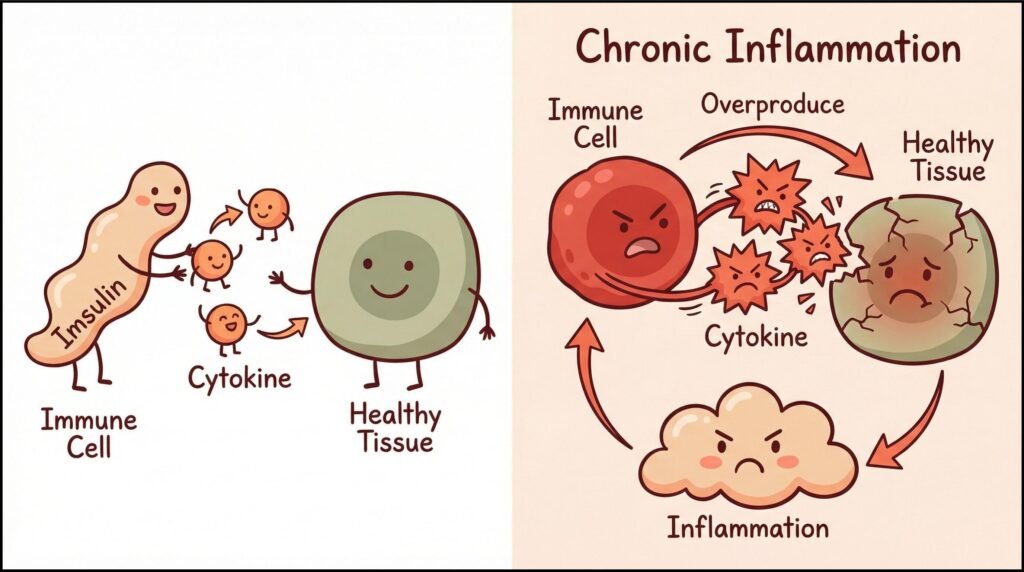
Insulin resistance is perhaps the most insidious metabolic trigger, operating silently for years before manifesting as stubborn weight gain, particularly around the midsection. When you consume carbohydrates, your pancreas releases insulin to shuttle glucose into cells for energy. In a healthy metabolic state, this process operates like a well-oiled machine. However, when cells become resistant to insulin’s signals, due to chronic overconsumption of refined carbohydrates, excess body fat, inflammation, or sedentary behavior, your pancreas compensates by pumping out more insulin.
This creates a vicious cycle: elevated insulin levels promote fat storage while simultaneously blocking fat burning. Research published in the Mount Sinai Journal of Medicine identifies insulin resistance as the common thread connecting obesity, metabolic syndrome, type 2 diabetes, and cardiovascular disease . Even more concerning, insulin resistance can precede the development of type 2 diabetes by 10 to 15 years, making early intervention critical .
The modern diet—rich in processed foods, added sugars, and refined grains- creates the perfect storm for insulin resistance. When adipocytes (fat cells) expand beyond their capacity, they become oxygen-starved and stressed, triggering inflammation that further impairs insulin signaling. Your body responds by producing even more insulin, creating a metabolic environment where weight loss becomes nearly impossible, regardless of calorie restriction.
The Science Behind the Stall
At the cellular level, insulin resistance disrupts multiple metabolic pathways. In skeletal muscle, insulin-resistant cells fail to uptake glucose efficiently, leaving excess sugar circulating in your bloodstream. In the liver, insulin resistance impairs the suppression of gluconeogenesis (glucose production), meaning your liver continues pumping out sugar even when blood glucose levels are already elevated .
Meanwhile, insulin-resistant adipose tissue fails to suppress lipolysis (fat breakdown), flooding your system with free fatty acids that further exacerbate insulin resistance in muscle and liver tissue, a phenomenon researchers call “Lipotoxicity”. The result is a metabolic paradox: you’re storing fat while simultaneously unable to access it for energy.
How to Bypass It: The Insulin Sensitivity Protocol
1. Strategic Carbohydrate Timing and Selection
Not all carbohydrates are created equal. To restore insulin sensitivity, prioritize low-glycemic, fiber-rich carbohydrates such as leafy greens, cruciferous vegetables, berries, and legumes. These foods provide sustained energy without triggering excessive insulin spikes. Consider implementing carbohydrate cycling, where you consume higher carbs on training days and lower carbs on rest days, giving your insulin receptors regular periods of reduced stimulation.
2. Prioritize Protein at Every Meal
Protein has a minimal impact on blood glucose while providing the highest thermic effect of food—meaning your body burns more calories digesting protein than fats or carbohydrates. Aim for 0.7-1 gram of protein per pound of target body weight, distributed evenly across 3-4 meals. This approach stabilizes blood sugar, reduces cravings, and preserves lean muscle mass during weight loss .
3. Embrace Resistance Training
Physical activity is one of the most potent insulin sensitizers available. Resistance training, in particular, creates a “glucose sink” by increasing the number and sensitivity of GLUT4 transporters in muscle cells—the very proteins that insulin activates to move glucose into cells. A single strength training session can enhance insulin sensitivity for up to 48 hours post-workout .
4. Consider Time-Restricted Eating
Intermittent fasting and time-restricted feeding have shown promise in improving insulin sensitivity by allowing insulin levels to drop for extended periods. Research suggests that feeding regimens that restrict nighttime eating and create longer fasting intervals may enhance metabolic health by stimulating “fasting physiology”, biochemical reprogramming that optimizes stored energy utilization.
5. Address Inflammation
Since chronic inflammation drives insulin resistance, incorporate anti-inflammatory foods like fatty fish (rich in omega-3s), turmeric, ginger, and colorful vegetables. Simultaneously, eliminate or reduce pro-inflammatory foods including industrial seed oils, processed meats, and excessive alcohol.
The Metabolic Reset Protocol
Stop fighting your biology. This doctor-formulated supplement stack targets all 3 metabolic triggers with berberine for insulin sensitivity, ashwagandha for cortisol balance, and metabolism-boosting adaptogens.
Trigger #2: The Cortisol Chaos Loop
What It Is and Why It Matters
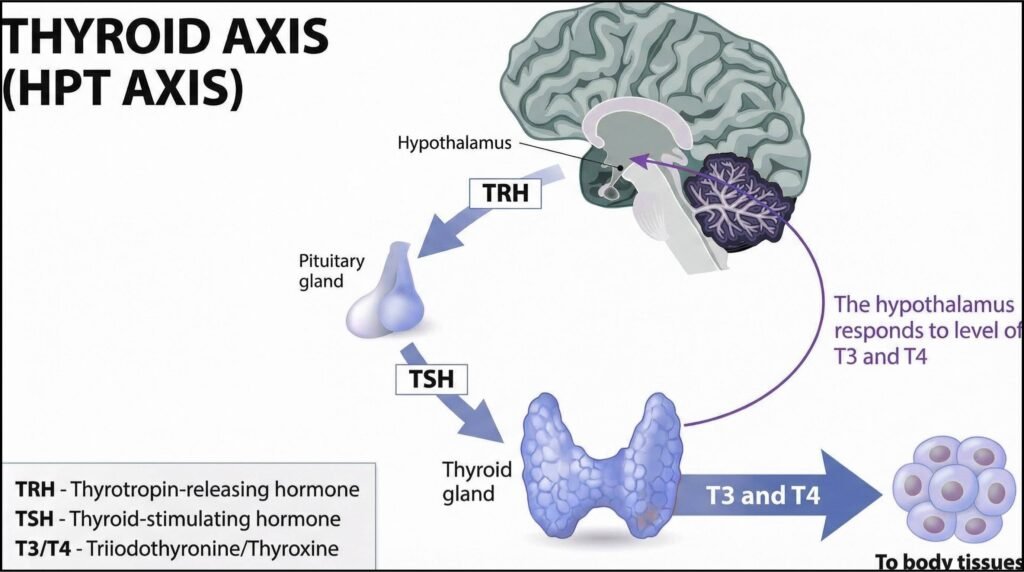
Cortisol, often dubbed the “stress hormone,” serves essential functions in acute stress responses—mobilizing energy, sharpening focus, and preparing your body for “fight or flight.” However, in our modern world of chronic psychological stress, poor sleep, overtraining, and caffeine overconsumption, cortisol levels remain elevated far longer than evolution intended .
Chronically elevated cortisol creates a metabolic environment that directly opposes fat loss. Cortisol stimulates gluconeogenesis (glucose production) in the liver, increases appetite, particularly for high-calorie, palatable foods, and promotes visceral fat accumulation. Perhaps most frustratingly, cortisol breaks down muscle tissue through catabolic processes, reducing your metabolic rate precisely when you need it most.
The connection between stress and weight gain isn’t just psychological; it’s deeply physiological. Research published in Frontiers in Endocrinology demonstrates that cortisol induces insulin resistance and contributes to the development of metabolic syndrome. When cortisol levels remain elevated, your body essentially receives constant signals that survival is threatened, triggering energy conservation and fat storage as protective mechanisms.
The Science Behind the Stall
Cortisol affects metabolism through multiple pathways. In the brain, elevated cortisol increases appetite and drives preferences for energy-dense foods . In adipose tissue, cortisol promotes lipolysis (fat breakdown) in the short term but enhances fat storage and adipocyte differentiation over time, particularly in visceral depots. This explains why chronic stress often manifests as stubborn belly fat that refuses to budge despite calorie restriction.
Furthermore, cortisol disrupts sleep architecture, and poor sleep further elevates cortisol while dysregulating hunger hormones ghrelin and leptin . The result is a metabolic perfect storm: you’re hungrier, craving high-calorie foods, storing fat more efficiently, and burning fewer calories at rest.
How to Bypass It: The Cortisol Management System
Sleep is your most powerful cortisol regulator. Aim for 7-9 hours of quality sleep per night, maintaining consistent sleep and wake times. Create a sleep sanctuary by eliminating blue light exposure 2 hours before bed, keeping the room cool (60-67°F), and avoiding caffeine after 2 PM. Research consistently shows that sleep deprivation elevates cortisol and disrupts metabolic hormones, making weight loss significantly more difficult .
2. Implement Stress-Reduction Practices
Chronic psychological stress keeps cortisol elevated, so incorporating daily stress-management techniques is non-negotiable. Practices like meditation, deep breathing exercises, yoga, and mindfulness have been shown to reduce cortisol levels and improve metabolic markers. Even 10 minutes of daily meditation can significantly impact cortisol regulation over time.
3. Optimize Exercise Intensity
While exercise is crucial for metabolic health, excessive high-intensity training without adequate recovery can elevate cortisol and exacerbate metabolic adaptation. Balance intense workouts with lower-intensity activities like walking, swimming, or yoga. Consider implementing “deload” weeks every 4-6 weeks, reducing training volume to allow hormonal recovery.
4. Moderate Stimulant Intake
Caffeine and other stimulants trigger cortisol release. While moderate caffeine consumption can enhance performance, excessive intake, especially on an empty stomach or later in the day, can dysregulate cortisol rhythms. Limit caffeine to 200-400mg daily, consumed before noon, and never substitute sleep for stimulants.
5. Nutritional Cortisol Support
Certain nutrients support healthy cortisol metabolism. Vitamin C, found in citrus fruits and bell peppers, is concentrated in adrenal glands and supports cortisol regulation. Magnesium, abundant in leafy greens and nuts, helps modulate the stress response and improve sleep quality. Omega-3 fatty acids from fatty fish have been shown to reduce cortisol levels and inflammation.
Cortisol Control Stack
Chronic stress destroying your progress? This adaptogenic blend features clinically-dosed ashwagandha, rhodiola, and phosphatidylserine to lower cortisol, reduce belly fat storage, and restore sleep quality.
Trigger #3: Adaptive Thermogenesis (Metabolic Adaptation)

What It Is and Why It Matters
Adaptive thermogenesis, commonly called metabolic adaptation, is your body’s survival response to calorie restriction and weight loss. When you create a calorie deficit and lose weight, your body perceives this as a potential famine threat and implements energy-conservation strategies that persist long after weight loss stalls .
This adaptation manifests through multiple mechanisms: decreased basal metabolic rate (BMR) beyond what would be expected from weight loss alone, reduced thermic effect of food, diminished exercise efficiency, and decreased non-exercise activity thermogenesis (NEAT), the calories burned through daily movement, fidgeting, and maintaining posture. Research published in the Journal of the International Society of Sports Nutrition notes that these adaptations can persist throughout weight maintenance, making weight regain almost inevitable without strategic intervention.
The statistics are sobering: while various diets produce similar weight loss over 8-12 weeks, maintaining weight loss long-term (beyond 24 weeks) succeeds in only 10-20% of individuals . This isn’t due to lack of willpower—it’s metabolic adaptation working exactly as evolution designed it.
The Science Behind the Stall
Metabolic adaptation involves complex hormonal and physiological changes. As body mass decreases, so does energy expenditure—simply because smaller bodies require less energy to maintain. However, adaptive thermogenesis goes beyond this predictable decline. Research demonstrates that resting energy expenditure (REE) drops more than predicted by the loss of fat-free mass alone .
Hormonal shifts accompany this process: leptin (the satiety hormone) decreases while ghrelin (the hunger hormone) increases, creating persistent hunger despite adequate calorie intake. Thyroid hormones may decrease slightly, further slowing metabolic rate. Mitochondrial efficiency improves, meaning your cells generate more energy from fewer calories, while uncoupling protein activity decreases, reducing heat production .
The psychological impact is equally significant. The combination of increased hunger, decreased energy, and weight loss plateau often triggers “calorie creep”, unconscious increases in portion sizes or snacking that completely negate the calorie deficit .
How to Bypass It: The Metabolic Reset Strategy
1. Implement Strategic Diet Breaks
Rather than maintaining continuous calorie restriction for months, incorporate planned diet breaks lasting 1-2 weeks where you eat at maintenance calories. This temporary increase in calories can help restore leptin levels, reduce hunger hormones, and signal to your body that food is abundant, temporarily reversing some adaptive mechanisms .
2. Master the Art of Reverse Dieting
After extended calorie restriction, avoid the common mistake of immediately returning to pre-diet eating patterns. Instead, practice reverse dieting, gradually increasing calories by 50-100 per week until reaching maintenance levels . This slow approach allows your metabolism to adjust upward while minimizing fat regain. Research suggests that the time needed to recover from dieting is roughly proportional to the time spent restricting calories .
3. Prioritize Resistance Training
Preserving lean muscle mass is crucial for maintaining metabolic rate during weight loss. Muscle tissue is metabolically active, burning calories even at rest. Implement a structured resistance training program 3-4 times weekly, focusing on progressive overload to signal to your body that muscle tissue is essential and should be preserved .
4. Optimize Protein Intake
During calorie restriction and metabolic adaptation, adequate protein becomes even more critical. Higher protein intake helps preserve lean mass, increases satiety, and has the highest thermic effect of food—meaning you burn more calories digesting protein than other macronutrients. Aim for the higher end of protein recommendations (0.8-1g per pound of target body weight) during weight loss phases .
5. Increase NEAT Intentionally
Since decreased non-exercise activity thermogenesis significantly contributes to metabolic adaptation, consciously increase daily movement. Set hourly movement reminders, take walking meetings, park farther from entrances, and aim for 8,000-10,000 steps daily. These small movements accumulate to significantly impact total daily energy expenditure.
6. Consider Cyclical Dieting Approaches
Some individuals respond well to cyclical approaches like carbohydrate cycling or calorie cycling, where higher intake days are interspersed with lower intake days. This variation may help prevent the metabolic slowdown associated with constant calorie restriction while still maintaining an overall weekly deficit.
Reverse Dieting Calculator + Meal Plan
Metabolic adaptation stalled your weight loss? Get the exact reverse dieting protocol used by 50,000+ clients to restore metabolism without fat regain. Includes macro calculator, meal templates, and video coaching.
Integrating the Three-Trigger Solution: Your Metabolic Masterplan
Successfully bypassing metabolic triggers requires addressing all three simultaneously rather than in isolation. Here’s your integrated action plan:
Phase 1: Assessment and Foundation (Weeks 1-2)
- Get comprehensive blood work including fasting insulin, HbA1c, cortisol (morning and evening), and thyroid panel
- Track current eating patterns, stress levels, sleep quality, and daily steps
- Establish baseline measurements beyond scale weight: body composition, waist circumference, energy levels, and hunger/satiety cues
Phase 2: Metabolic Optimization (Weeks 3-8)
- Implement the insulin sensitivity protocol: prioritize protein, choose low-glycemic carbohydrates, time carbs around workouts
- Establish cortisol management practices: consistent sleep schedule, daily stress reduction, moderate caffeine
- Begin progressive resistance training 3-4x weekly
- Create modest calorie deficit (300-500 calories below maintenance) rather than aggressive restriction
Blood Sugar Balance Made Simple
Struggling with insulin resistance? CGM devices track your glucose response in real-time, showing exactly which foods spike your insulin. Pair with a continuous monitor and take the guesswork out of metabolic health.
Phase 3: Adaptation Prevention (Weeks 9-16)
- Monitor for signs of metabolic adaptation: persistent fatigue, increased hunger, cold intolerance, weight loss plateau
- Implement first diet break (1-2 weeks at maintenance) if adaptation signs appear
- Continue resistance training with progressive overload
- Adjust calories based on actual weight loss (0.5-1% of body weight weekly is optimal)
Phase 4: Long-Term Metabolic Health (Ongoing)
- Transition to maintenance using reverse dieting principles
- Maintain resistance training as a lifestyle priority
- Continue monitoring metabolic markers annually
- Remain flexible—metabolic needs change with age, stress, and activity levels
Conclusion: Working With Your Metabolism, Not Against It
The frustration of metabolic triggers stems from the fundamental mismatch between our evolutionary biology and modern lifestyle demands. Your body isn’t broken when it resists weight loss, it’s executing survival programming refined over millions of years. The key to sustainable fat loss isn’t fighting these mechanisms but understanding and strategically bypassing them.
By addressing insulin resistance through carbohydrate quality and timing, managing cortisol through sleep and stress reduction, and preventing metabolic adaptation through strategic diet breaks and resistance training, you create a metabolic environment where fat loss becomes not just possible, but sustainable.
Remember: the goal isn’t just reaching a lower number on the scale, it’s achieving metabolic flexibility, hormonal balance, and a body that works with you rather than against you. When you bypass these three metabolic triggers, you’re not just losing weight; you’re gaining metabolic health that serves you for life.
Ready to Reset Your Metabolism? Try This New Weight Control Supplement
You’ve learned the science behind metabolic triggers and the strategies to bypass them. But if you’re looking for an extra edge to accelerate your results, the right supplement stack can provide targeted support exactly where your metabolism needs it most.
External Links & Resources
- National Institute of Health: Metabolic Consequences of Weight Reduction
- Cleveland Clinic: Cortisol Function and Management
- NCBI: Insulin Resistance and Metabolic Syndrome
- Mayo Clinic: Breaking Through Weight Loss Plateaus
- Precision Nutrition: The Science of Reverse Dieting
Disclaimer: This article is for informational purposes only and does not constitute medical advice. Consult with a healthcare provider before making significant changes to your diet, exercise, or supplement regimen, especially if you have existing health conditions.